I Am Not Single I Have a Dog: A Designer's Review
As someone who spends most of their day staring at stitch simulations and threading needles, I approach every new machine embroidery design with a healthy dose of skepticism. We have all seen those cute graphics online that look perfect on a screen but turn into a thread-breaking nightmare once they hit the hoop. That is why I took a close look at the I Am Not Single I Have a Dog Design before committing it to any client projects or personal handmade products. This isn't just about whether the text is readable; it is about how this graphic translates into thread, how it sits on fabric, and whether it holds up as a viable asset for a craft business.
First Impressions and Visual Personality
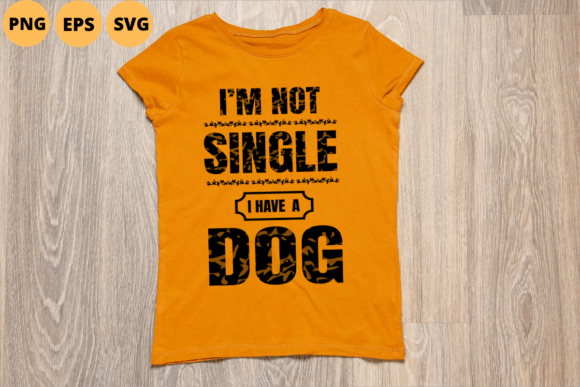
When I first pulled the files from the ZIP archive, my immediate thought was about the versatility of the layout. The phrase itself carries a specific mood—it is sassy, relatable, and clearly targets the massive demographic of dog lovers who prioritize their pets over traditional relationship statuses. Visually, the design feels balanced. It avoids the common pitfall of overcrowding the text with too many decorative elements that would require excessive trimming or result in poor stitch definition.
The inclusion of three color variations in the package is a smart move by the creator. In the world of T-Shirt Designs and Graphics, having options saves time. I immediately imagined how these variations would play out on different fabric textures. A light thread on a dark hoodie creates a bold statement, while a tonal approach on a canvas tote bag offers something more subtle and boutique-like. The visual personality here is casual yet polished, making it suitable for everything from a weekend market stall to a high-end pet boutique.
Real-World Application: The Tote Bag Test
To truly evaluate this embroidery file, I mentally walked through a real-life scenario that many of us face: a custom order for a local dog walker who needs branded merchandise. She wanted something durable for daily use but stylish enough to be worn outside of work. I pictured applying the I Am Not Single I Have a Dog Design to a heavy-weight cotton tote bag.
In this context, the design shines. The lettering appears substantial enough to handle the texture of canvas without getting lost in the weave. If this were an intricate script with tiny serifs, I would worry about the stitches pulling apart after months of carrying dog treats and leashes. However, the block-style aesthetic suggested here implies a robust structure. For a sweatshirt embroidery project, this same logic applies. The design would sit comfortably on the chest of a fleece pullover, providing a clear message that doesn't distort when the fabric stretches.
For Etsy sellers looking to expand their catalog beyond standard monograms, this design offers a ready-made solution for the "pet parent" niche. It works exceptionally well as a centerpiece for a personalized gift, perhaps paired with the dog's name stitched below in a complementary font. The ability to edit the SVG files means you can tweak the arrangement if a customer wants a specific layout, adding significant value to your service offering.
Technical Considerations for Stitching
While the aesthetic is strong, we must talk about the technical execution. Since the product description mentions EPS, SVG, and PNG files, it is crucial to note that these are primarily vector and raster formats often used for printing or cutting, but they are being marketed here within the context of embroidery assets. As a professional, I always advise checking if a dedicated stitch file (like PES, DST, or XXX) is included or if you need to digitize these vectors yourself using your preferred software. If you are digitizing from the provided SVGs, pay close attention to the stitch density.
When converting text-heavy graphics into a machine embroidery design, the risk of creating a "cardboard effect" is real. If the fill stitches are too dense, the fabric will pucker, and the item will feel stiff. For a project like this, I recommend using a combination of satin stitches for the outlines and a lighter fill stitch for any larger graphical elements, such as a paw print or dog silhouette that might accompany the text. Always test your digitization on scrap fabric first. Check how the thread colors contrast against your base material; what looks good on a white background might vanish on a navy blue sweatshirt.
Another critical factor is the hoop size. Ensure the design fits within your available hoops without needing to re-hoop, which can lead to alignment issues. For smaller items like baby clothes or caps, you might need to scale the design down. Be cautious here: shrinking text too much can make small details indistinguishable. If the design includes fine lines, they may need to be converted to running stitches or thickened to ensure they survive the washing machine.
Navigating Fabric Challenges
Not every fabric is created equal, and this design requires thoughtful placement. On stretchy knits, using the right stabilizer is non-negotiable. A cut-away stabilizer is usually best for garments that will undergo frequent washing and wearing, ensuring the finished product maintains its shape. For textured fabrics like towels or blankets, the background noise of the fabric can interfere with the clarity of the stitches. In these cases, a water-soluble topping can help the needle penetrate smoothly and keep the stitches sitting on top of the loops rather than sinking in.
If you are attempting this on curved surfaces like baseball caps, be mindful of the distortion. The straight lines of the text might appear curved if not centered perfectly on the cap's front panel. For holiday embroidery gifts, such as kitchen towels or aprons, ensure the design is positioned where it won't be obscured by pockets or seams. The durability of the stitch is paramount here; no one wants a gift that unravels after the first dinner party.
Commercial Viability and Brand Consistency
For those running a craft business, consistency is key to building trust. The I Am Not Single I Have a Dog Design offers a level of professionalism that can elevate a small shop product. When customers see clean, crisp stitching with no loose threads or puckering, they associate that quality with your brand. This design has the potential to become a staple in your inventory, appealing to a wide audience without feeling generic.
However, always verify the licensing terms before selling. Just because you purchased the digital file does not automatically grant unlimited commercial rights for physical goods or digital resale. Read the documentation included in the ZIP file carefully. Assuming the license permits commercial use for finished items, this design is a low-risk, high-reward addition to your portfolio. It serves as an excellent printable mockup element for your online store, allowing you to showcase how the design looks on various apparel without needing to photograph every single color variation physically.
Final Verdict for Makers
In conclusion, the I Am Not Single I Have a Dog Design is a solid contender for both hobbyists and professional decorators. Its strength lies in its clear messaging and adaptable layout. Whether you are creating a custom apparel line, stitching up baby embroidery for a shower gift, or producing commercial embroidery for a local pet store, this graphic provides a strong foundation. Just remember to respect the limitations of your machine, choose your materials wisely, and always prioritize stitch quality over speed. With the right preparation, this design can transform a simple piece of fabric into a cherished, conversation-starting piece of art.