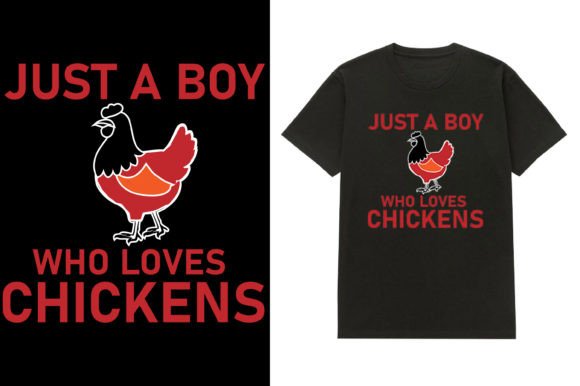
Hen T-shirt Design 01: A Practical Review for Embroidery Pros
As a designer who spends more time at the hoop than away from it, I approach every new machine embroidery design with a critical eye. It is not just about whether the image looks cute on a screen; it is about how that digital embroidery file translates into thread, fabric, and ultimately, a finished product that a customer will love. Today, I am taking a close look at Hen T-shirt Design 01. This graphic comes from a store focused on trendy T-Shirt Designs, but my job is to determine if it holds up under the needle for real-world embroidery projects.
First Impressions: Mood and Visual Personality
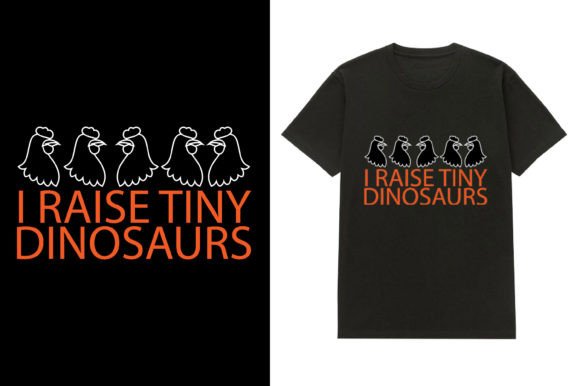
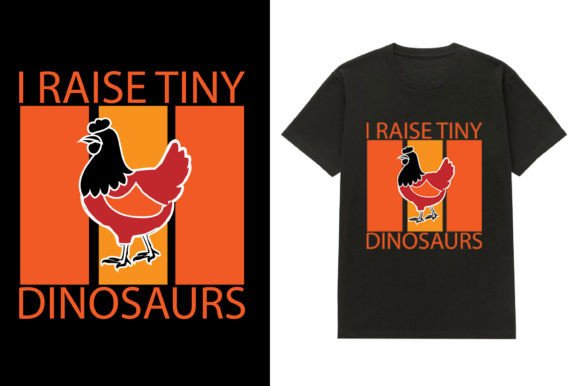
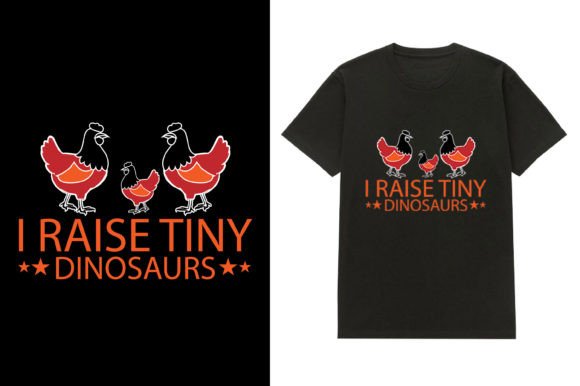
When I first loaded the preview for Hen T-shirt Design 01, the immediate vibe was rustic charm meets modern simplicity. The layout suggests a strong silhouette, likely relying on bold shapes rather than intricate, fragile details. For an embroidery reviewer, this is a promising start. Designs that rely too heavily on tiny lines often frustrate machine operators, but a design with a clear visual personality like this hen graphic usually indicates a thoughtful balance between satin stitch outlines and solid fill stitch areas.
The theme naturally leans toward farmhouse aesthetics, spring decor, or personalized gifts for animal lovers. It feels right at home on a kitchen towel or a boutique tote bag. However, before committing to a production run, we need to dig deeper into how these Graphics behave when stitched out on various materials.
Real-World Application: From Screen to Stitch
Let's imagine a realistic scenario. You are an Etsy seller preparing for the upcoming holiday season. You have a batch of canvas tote bags and some heavyweight cotton sweatshirts ready for customization. This is where Hen T-shirt Design 01 shines. Because the design appears to have a centralized focus, it works exceptionally well as a chest pocket emblem on a sweatshirt embroidery project or as a central feature on a tote.
In a craft business setting, consistency is key. If you are creating a line of custom apparel for a local boutique, this design offers enough versatility to be scaled slightly up or down without losing its identity. For baby embroidery, perhaps on a onesie or a nursery pillow cover, the soft, rounded nature of a hen motif provides a gentle, welcoming aesthetic. It avoids sharp, aggressive angles, making it a safe and appealing choice for personalized gifts intended for children.
Furthermore, for those selling design assets or offering customization services, this type of graphic serves as a strong foundation for printable mockups. Its clear shape allows potential buyers to visualize the end result quickly, boosting buyer engagement and trust in your small shop product offerings.
Technical Considerations and Fabric Challenges
While the visual appeal is high, practical application requires caution. Not every fabric plays nice with every embroidery file. When working with Hen T-shirt Design 01, pay close attention to stitch density. If the fill areas are too dense, they can cause puckering on lighter weight fabrics like standard t-shirt jersey or thin linen tea towels. Always test the design on scrap fabric first. This simple step saves material and reputation.
Textured fabrics present another variable. If you are stitching this onto a waffle-knit towel or a coarse burlap sack for a rustic look, the underlying fabric texture might interfere with the clarity of small details. In these cases, using a high-quality cut-away stabilizer is non-negotiable to maintain the integrity of the shape. Conversely, on stretchy fabrics, ensure your hoop tension is correct to prevent the design from distorting after washing.
Curved surfaces, such as caps or hats, require special consideration. While a hen design can look adorable on a baseball cap, you must verify the hoop size compatibility. If the design is too wide, it may not fit standard cap frames, or the edges might get cut off. Additionally, check for tiny lettering or extremely fine running stitch details that might vanish on a curved surface or when viewed from a distance.
Color Strategy and Thread Selection
The success of Hen T-shirt Design 01 also hinges on your choice of thread colors. Since the source description mentions "trendy" designs, I recommend avoiding overly traditional color palettes unless specifically requested. Try modernizing the look with muted sage greens, terracotta, or slate blues instead of standard barnyard reds and yellows. This approach elevates the perceived value of the handmade product and appeals to contemporary interior design trends.
Contrast is crucial. If you are embroidering on dark fabric, ensure the design includes enough light-colored elements or consider adding a satin stitch border to make the hen pop against the background. Testing the design in black and white mockups can help you judge the contrast levels before you even thread the needle. This ensures that the visual appeal remains strong regardless of the garment color.
Commercial Viability and Professionalism
For commercial embroidery professionals, the reliability of a design directly impacts customer trust. A clean stitch-out with no thread breaks or registration issues builds a reputation for quality. Hen T-shirt Design 01 seems positioned to support this, provided the digitizing is sound. However, since the product description is brief, it is vital to confirm licensing terms before selling finished items. Ensure that the purchase allows for commercial use if you plan to sell these as holiday embroidery gifts or boutique merchandise.
Professionalism also means managing expectations. If the design includes complex layers that mimic an applique design, communicate the care instructions clearly to your clients. Products that undergo frequent washing, like kitchen towels or children's clothes, need robust stitching. Inspect small details closely; loose jumps or poorly trimmed connections can ruin the presentation of an otherwise beautiful piece.
Final Verdict for Makers and Designers
In conclusion, Hen T-shirt Design 01 offers a charming and versatile option for a wide range of embroidery projects. Its strength lies in its adaptable theme and likely sturdy construction, making it suitable for everything from embroidered patches to full-sized back designs on jackets. However, like any tool in a maker's kit, it requires skillful handling. Respect the limitations of your materials, choose your threads wisely, and always prioritize a test run.
For creative entrepreneurs and hobbyists alike, this design represents a solid opportunity to create meaningful, high-quality goods. Just remember to verify the specific technical details—such as exact stitch count and supported formats—that were not explicitly listed in the original store description. With the right preparation, this hen graphic can become a staple in your portfolio of T-Shirt Designs and custom goods, delighting customers with its warmth and character.