I Don't Need a Costume 2022: A Designer's Review
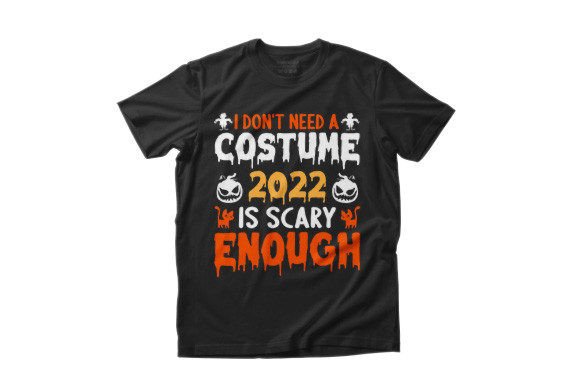
As someone who spends most of their day staring at digitized files and analyzing stitch paths, I approach every new machine embroidery design with a critical eye. It is not enough for a graphic to look cute on a screen; it must translate flawlessly onto fabric. Recently, I evaluated the "I Don t Need a Costume 2022 is Scary" concept for a potential run of custom holiday apparel. This piece falls squarely into the realm of T-Shirt Designs and Graphics, but my job is to determine if it holds up as a physical embroidery project or if it remains strictly a digital asset.
First Impressions and Visual Personality
The immediate mood this design evokes is one of weary, relatable humor. The year 2022 carried a specific weight, and this phrase captures that sentiment perfectly. Visually, the layout suggests a text-heavy composition, likely relying on strong typography rather than intricate pictorial elements. For an embroiderer, this means the success of the finished product hinges entirely on font choice, letter spacing, and thread contrast. There is no hiding behind complex imagery here; the message is the star.
When I first reviewed the available files, which include 100 editable options in formats like EPS, SVG, DXF, and high-resolution PNGs, I noted the versatility. However, having 100 color-changeable files does not automatically guarantee a good stitch-out. The visual personality is bold and direct, making it an ideal candidate for statement pieces. It feels less like a subtle accent and more like the main event on a garment. For Etsy sellers and craft business owners, this kind of clear, punchy messaging often converts well because customers instantly "get" the joke without needing to examine the details closely.
Real-World Application: The Sweatshirt Scenario
To truly test the viability of this design, I imagined a specific real-life scenario: preparing a batch of custom sweatshirt embroidery for a small boutique client looking for last-minute holiday stock. The client wanted something that felt current but not overly childish. This design fits that brief perfectly. On a heavy cotton blend sweatshirt, the text would sit prominently across the chest or perhaps slightly lower for a streetwear vibe.
In this context, the fabric texture plays a huge role. A fuzzy fleece or French terry requires a different approach than a smooth jersey knit. If you are using the provided PNG files for printing, the 300 DPI resolution ensures crisp edges. However, if you are converting these graphics into a true embroidery file for stitching, you must consider how the letters interact with the nap of the fabric. Small serifs or thin lines might get lost in the loops of a thick sweater. For this specific project, I would recommend simplifying the font or increasing the stroke width to ensure readability after the needle hits the cloth.
This design also shines as a tote bag design. Canvas bags provide a stable, flat surface that mimics the stability of a hoop, making them an excellent substrate for text-based graphics. Whether printed or stitched, the contrast of white thread or ink against a natural or black canvas makes the "scary enough" message pop. It transforms a simple grocery carrier into a handmade product with personality, perfect for trick-or-treaters' parents or teachers.
Technical Considerations for Stitching
While the concept is strong, the execution requires careful planning. Since the source material offers vector and raster files, the transition to a digital embroidery file depends heavily on your digitizing skills or the quality of pre-made stitch files if available. If you are creating the stitch file yourself, pay close attention to stitch density. Text designs can easily become too dense, leading to a stiff, cardboard-like feel on the garment. Using a combination of satin stitch for larger letters and running stitch for finer details can maintain flexibility.
There are specific areas where caution is advised. If you attempt this on a curved surface like a cap, the long horizontal nature of the sentence could cause puckering if not properly stabilized. Similarly, on stretchy fabrics like baby onesies, the design needs a robust stabilizer backing to prevent distortion during wear and washing. Tiny lettering is another risk factor; if the phrase is scaled down for a pocket logo or a baby embroidery project, the words "Costume" or "Scary" might blur together. Always test the design on scrap fabric first to verify that the smallest details remain distinct.
Color selection is crucial for visual appeal. While the files are color-changeable, sticking to high-contrast combinations is key for this type of message. A classic white-on-black or orange-on-navy works well for the Halloween theme. Avoid low-contrast pairings like grey-on-white, which can make the text look muddy and reduce the professional look of your custom apparel.
Commercial Value and Brand Consistency
For small shop product lines, consistency is vital. This design offers a cohesive theme that can be expanded across various items, from pillow covers to kitchen towels. Its straightforward nature means it integrates well into existing brand aesthetics without clashing. For an Etsy seller, listing this as part of a "2022 Survival Kit" collection could drive engagement. The relatability of the text builds customer trust; it shows the maker understands the shared experience of the year.
However, before selling any commercial embroidery items featuring this text, you must confirm the licensing terms. The product description mentions editable files and print capabilities, but intellectual property rights regarding the phrase itself or specific font usage need verification. Never assume a design is free for commercial use just because it is editable. Protecting your craft business means doing due diligence on licenses to avoid legal issues down the road.
Final Verdict for Makers
The "I Don t Need a Costume 2022 is Scary" design is a solid contender for holiday projects, provided it is handled with technical care. It excels as a statement piece on stable fabrics like tote bags and sweatshirts. Its strength lies in its message, which resonates with a wide audience looking for humor amidst chaos. For designers, the challenge—and opportunity—lies in translating that digital wit into a tactile reality. By managing stitch density, choosing the right stabilizer, and testing on appropriate fabrics, you can turn this graphic into a high-value personalized gift or a best-selling shop item. Just remember to check those file specifications and license agreements before you start stitching.