Unicorn Logo Illustration: A Designer's Stitch Review
When I first pulled up the Unicorn Logo Illustration on my screen, my immediate reaction wasn't just about the cute factor; it was about potential. As someone who spends hours hooping fabric and threading needles, I look at digital assets differently than a graphic designer might. I'm not just looking at pixels; I'm visualizing thread paths, stitch density, and how that majestic horn is going to hold up after fifty wash cycles. This review breaks down how this specific vector asset translates from a scalable graphic into a tangible, high-quality embroidery project for your craft business or personal collection.
First Impressions: Shape, Flow, and Embroidery Potential
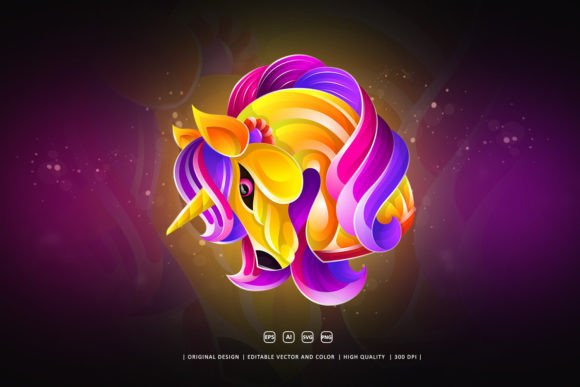
The Unicorn Logo Illustration carries a whimsical yet professional mood. The lines are clean, and because the source file is vector-based, the scalability is excellent. For us in the embroidery world, this is crucial. We often need to resize a design to fit a tiny pocket on a baby onesie or expand it for a large back patch on a denim jacket. The fact that this graphic remains crisp at any size means the underlying geometry is solid.
Visually, the design feels balanced. It avoids the trap of being overly intricate, which is a common pitfall in unicorn-themed graphics. Too many tiny details can turn into a bird's nest of thread breaks under the needle. This illustration seems to strike a right balance between character and simplicity. The silhouette is strong enough to be recognizable even if you were to stitch it in a single color, which is a great test for any machine embroidery design. If it works in monochrome, it will sing in full color.
Real-World Application: From Screen to Stitch
Let's talk about a real scenario. Imagine you run a small boutique shop selling personalized items for children's birthdays. You have a client who wants a custom tote bag design for a "Magical Birthday Party." This is where the Unicorn Logo Illustration shines. Because it is fully editable, you can adjust the colors to match the party theme perfectly before you ever digitize it or send it to your machine.
I can see this working beautifully as a central motif on a canvas tote. The open spaces within the design would take a fill stitch well, providing good coverage without becoming too stiff. Alternatively, for a more textured look, you could interpret parts of the mane as an applique design, layering a shiny satin fabric underneath and using a tight satin stitch border to define the edges. This approach adds value to the finished product, making it feel like a premium item rather than a mass-produced good.
Another strong use case is sweatshirt embroidery. Fleece and French terry fabrics have a lot of texture. A design with clear, bold lines like this one prevents the stitching from getting lost in the nap of the fabric. Whether you are creating a limited run for an Etsy seller storefront or making a one-off personalized gift, the versatility of this graphic allows it to adapt to different garment weights.
Navigating Fabric Challenges and Hoop Limitations
While the vector source is perfect, the transition to an embroidery file requires careful consideration of the substrate. If you plan to use this on a curved surface, like a cap, you need to be mindful of the design's width. Wide designs can distort on the front panel of a hat. You might need to scale the Unicorn Logo Illustration down or adjust the aspect ratio slightly to ensure it sits flat without puckering.
Texture is another factor. On thin, stretchy fabrics like tri-blend tees, a dense design can cause the fabric to ripple. In these cases, I recommend testing a version with lower stitch density or using a cut-away stabilizer to provide long-term support. If you are aiming for a vintage look on a dark fabric, consider using a running stitch outline instead of a full fill. This lets the fabric show through and reduces the bulk, which is often more comfortable for the wearer.
Always check your hoop size constraints before committing. While the vector can be any size, your machine cannot. If the design has tall elements (like that iconic horn), ensure your hoop has enough vertical clearance. For smaller projects like kitchen towels or pillow covers, you might need to isolate specific elements of the logo to fit within a 4x4 inch hoop.
Commercial Viability and Brand Consistency
For craft business owners, consistency is key to building trust. Using a high-quality base graphic like the Unicorn Logo Illustration ensures that every item leaving your studio looks professional. Whether it's an embroidered patch for a backpack or a subtle chest logo on a uniform, the clarity of the original vector translates into clean stitch-outs.
This design also works exceptionally well for printable mockup creation. Before you stitch a single thread, you can place this graphic onto product photos to show clients exactly what their custom apparel will look like. This visual confirmation increases buyer engagement and reduces the likelihood of returns due to mismatched expectations.
However, a word of caution regarding licensing: since this is a digital asset intended for various uses, always verify the specific terms before selling digital embroidery file versions of your digitization. Usually, you can sell the physical handmade product, but reselling the digitized file itself may require an extended license. Clarity here protects your small shop product line from legal headaches.
Final Verdict and Practical Tips
The Unicorn Logo Illustration is a robust starting point for a wide range of projects, from baby embroidery to holiday embroidery gifts. Its strength lies in its editability and clean lines. To get the best results, I suggest the following workflow:
- Test on scraps first: Never run a new design on a final garment without testing it on a scrap piece of the same fabric.
- Check contrast: Ensure your thread colors pop against the fabric background. Dark threads on dark fabric can hide beautiful details.
- Review the digitizing: Since the source is a vector, the quality of the final stitch-out depends entirely on how well it is digitized. Pay attention to pull compensation and underlay stitches.
- Consider the end-user: If this is for a child's item, avoid long jump stitches that could become tangled fingers hazards.
- Mockup in black and white: This helps you see if the design relies too heavily on color to define its shape.
In conclusion, this graphic offers a fantastic foundation for creative entrepreneurs. It bridges the gap between modern digital aesthetics and the tactile warmth of handmade goods. With the right digitizing approach and material selection, the Unicorn Logo Illustration can become a staple in your portfolio of commercial embroidery projects, delivering both visual appeal and durability.