Beer T-shirt Design 01: A Pro Review for Embroidery
As a designer who spends more time staring at stitch simulations than actual screens, I approach every new digital embroidery file with a mix of curiosity and skepticism. When I first pulled up Beer T-shirt Design 01, my immediate reaction wasn't just about whether it looked "cool" on a monitor, but how it would translate into thread. We often forget that a graphic on a screen behaves very differently once a needle starts punching through fabric. This review breaks down the practical viability of this design for real-world embroidery projects, specifically for those of us running small shops or creating high-end handmade goods.
First Impressions and Visual Personality
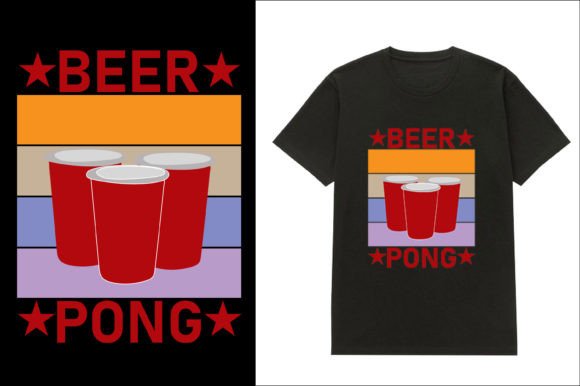
The initial mood of Beer T-shirt Design 01 is undeniably casual and spirited. It captures that laid-back vibe essential for beverage-themed apparel without crossing into the territory of looking cheap or overly generic. The layout appears balanced, suggesting a thoughtful arrangement of elements that should hold up well when scaled. For an Etsy seller or boutique owner, the visual personality here is key; it speaks to a demographic that appreciates craft beer culture but also values quality aesthetics. The design doesn't scream for attention with chaotic details; instead, it offers a clean silhouette that promises good coverage and solid definition once stitched.
When evaluating the theme, it fits perfectly into the current trend of personalized leisurewear. Whether you are aiming for a custom apparel line for a local brewery or a one-off personalized gift for a father's day present, the thematic resonance is strong. However, as a reviewer, I always look past the theme to the technical execution. Does the flow of the lines suggest smooth satin stitch work, or are there areas that might require complex fill stitch management? From what I can see, the design leans towards a style that favors clarity, which is excellent for maintaining professionalism in a finished product.
Real-World Application Scenarios
Let's move from theory to practice. Imagine you are preparing a batch of orders for a upcoming craft fair. You have a stack of heavy-weight cotton tote bags and some French terry sweatshirts. This is where Beer T-shirt Design 01 truly shines. On a tote bag design, the sturdier canvas provides a stable base, allowing the threads to sit high and proud, creating a tactile texture that customers love to touch. The design's structure seems robust enough to handle the slight give of the fabric without distorting.
For sweatshirt embroidery, the scenario changes slightly. The loft of the fleece requires careful attention to stitch density. If the design is too dense, it can cause the fabric to pucker or the stitches to sink. Based on the visual weight of Beer T-shirt Design 01, it appears suitable for medium-weight garments, provided you use the correct stabilizer. I could easily envision this working as a chest logo on a hoodie or a larger back piece on a crewneck. It also translates well to embroidered patch creation, where the defined edges would allow for a clean merrowed border finish.
Beyond apparel, consider the potential for home decor. A kitchen towel or an apron featuring this motif adds a touch of humor and utility to a handmade product. The scale seems appropriate for these smaller items, ensuring the design doesn't overwhelm the surface area. For holiday embroidery gifts, such as stocking stuffers for beer enthusiasts, this asset offers a quick turnaround solution that still feels custom-made.
Technical Considerations and Fabric Challenges
No design is universal, and honest evaluation means identifying where caution is needed. While Beer T-shirt Design 01 is versatile, it demands respect regarding fabric choice. If you attempt to stitch this on a thin, stretchy jersey knit without proper stabilization, you risk waviness in the horizontal lines. Textured fabrics like pique polo shirts or waffle knits can also obscure fine details. If the design includes any tiny lettering or intricate corners, these might get lost in the texture of a rougher fabric texture.
Curved surfaces present another challenge. Placing this on a cap requires a specific mindset. The curvature of the front panel can distort wide designs. If Beer T-shirt Design 01 has a wide aspect ratio, it might need to be resized significantly to fit a standard cap hoop, potentially losing some of its impact. In such cases, testing on a scrap piece of the exact same material is non-negotiable. Dark fabrics also require a strategic approach to thread colors. Ensure there is sufficient contrast; a dark brown beer mug on a black shirt might look muddy unless outlined effectively or underlaid properly.
Furthermore, consider the end-user experience. Products that undergo frequent washing, like t-shirts and kitchen towels, need durable stitching. High-density areas can become stiff and uncomfortable against the skin. If this design is intended for baby embroidery or sensitive skin applications, you must verify that the stitch count isn't excessive and that the backing is trimmed away cleanly to prevent irritation.
Enhancing Brand Value and Customer Trust
In the world of craft business, perception is reality. Using a well-executed design like Beer T-shirt Design 01 directly impacts your brand consistency. A crisp, professional-looking embroidery job builds customer trust. When a buyer receives a small shop product that looks mass-produced but feels handmade, it creates a disconnect. However, when the stitching is clear, the colors are vibrant, and the placement is precise, it elevates the perceived value of the item. This allows you to command better pricing for your commercial embroidery services.
Visual appeal drives buyer engagement. In online listings, your printable mockup needs to accurately represent the final look. Since this design has a strong graphical presence, it photographs well, making it an excellent asset for social media previews. It helps potential buyers visualize the finished product on themselves or in their homes, reducing hesitation and increasing conversion rates.
Essential Designer Notes for Success
Before you commit to a full production run, here are my top recommendations for working with this file:
- Test on Scrap Fabric: Always stitch a sample on the exact material you plan to sell. This reveals issues with tension and registration that a screen cannot show.
- Check Thread Contrast: Verify that your chosen thread colors pop against the garment color. Don't rely solely on the digital preview.
- Review Stitch Density: If the design feels stiff after stitching, consider editing the fill density in your software if you have the editable source, or choose a lighter weight fabric.
- Confirm Hoop Size: Ensure the design fits within your available hoop size without needing to re-hoop, which can lead to alignment errors.
- Inspect Small Details: Zoom in on the stitched sample. Are tiny connecting runs visible? Do small text elements read clearly?
- Mockup Testing: Create black and white mockups to check the value structure. If the design loses its shape in grayscale, it might lack necessary contrast.
- Licensing Verification: Since the original description mentions a T-Shirt Design Store, double-check the license terms. Confirm whether you are cleared for commercial embroidery sales or if there are restrictions on the number of physical items you can produce.
Ultimately, Beer T-shirt Design 01 represents a solid opportunity for creators looking to expand their catalog of T-Shirt Designs and Graphics. It bridges the gap between trendy aesthetics and technical feasibility. By approaching it with a critical eye and following best practices for machine setup and material selection, you can turn this digital asset into a best-selling physical product. Remember, the difference between a good design and a great product lies in the execution. Treat this file as a foundation, and build upon it with your expertise in stabilizers, threads, and fabric knowledge to create something truly exceptional.