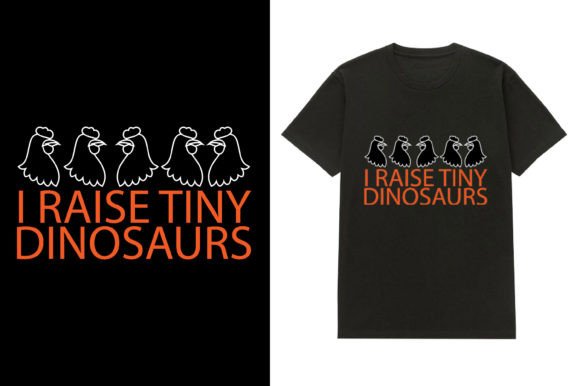
Hen T-shirt Design 03: A Practical Review for Embroidery Pros
As someone who spends hours digitizing, stitching, and critiquing machine embroidery design files for both personal projects and client deliverables, I approach every new asset with a critical eye. It is not enough for a graphic to look cute on a screen; it must translate flawlessly into thread. Today, I am taking a close look at Hen T-shirt Design 03. This piece comes from a creator who emphasizes trendy aesthetics and custom merch potential, promising a specialized touch for those seeking unique T-Shirt Designs and Graphics. My goal here is to move past the marketing fluff and determine if this file holds up under the needle for real-world applications.
First Impressions: Mood and Visual Personality
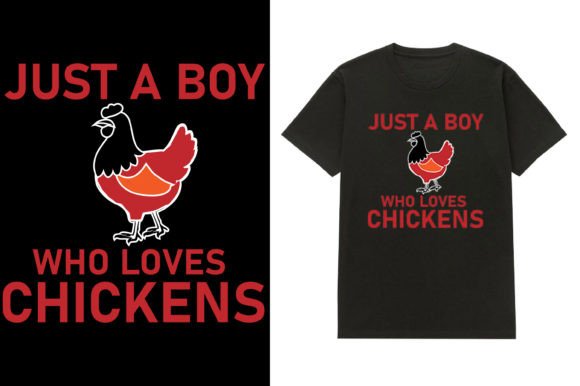
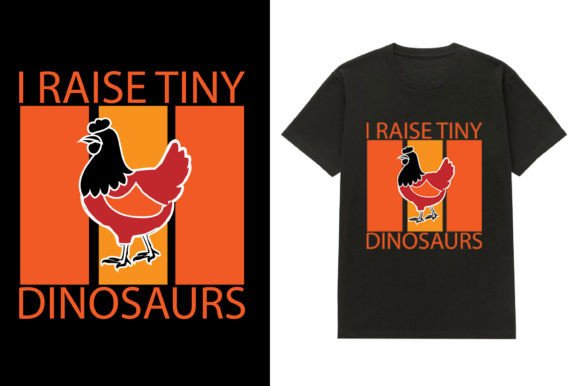
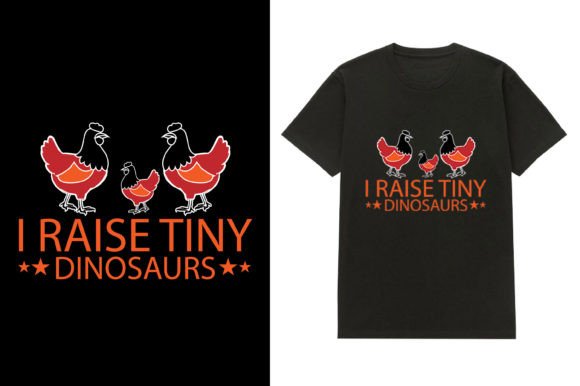
When I first loaded Hen T-shirt Design 03 into my viewing software, the immediate impression was one of rustic charm mixed with modern simplicity. The layout suggests a design that relies heavily on clean lines and balanced negative space, which is crucial for embroidery. Unlike overly complex illustrations that turn into a muddy mess of thread, this design appears to have a clear visual hierarchy. The theme naturally evokes feelings of farmhouse style, spring renewal, or boutique agriculture, making it an excellent candidate for seasonal collections.
The shape and detail level seem well-suited for medium-sized hoops. It does not appear to rely on microscopic details that would vanish on textured fabrics, nor does it look so sparse that it feels unfinished. For an Etsy seller or craft business owner, this visual personality is gold. It speaks to a demographic that values handmade quality and artisanal vibes without screaming "mass-produced." Whether you are aiming for a personalized gift or building a brand identity around homestead living, the mood here is inviting and professional.
Real-World Application: From Screen to Stitch
To truly test the viability of Hen T-shirt Design 03, I imagined a specific project scenario: a custom order for a local boutique needing a run of embroidered tote bags and aprons for a spring market. In this context, the design shines. The composition works exceptionally well on flat surfaces like canvas tote bag design layouts or cotton aprons. The likely use of satin stitch for outlines and fill stitch for the body of the hen would provide the necessary durability for items that see frequent handling.
However, versatility is key for any digital embroidery file intended for commercial use. I can easily see this adapting to sweatshirt embroidery, where the texture of French terry cloth requires a design with strong definition. If the stitch density is managed correctly, the hen motif will pop against the fuzzy background. It is also a strong contender for baby embroidery projects, such as bibs or onesies, provided the scale is reduced appropriately without losing the integrity of the shapes. For holiday gifts or nursery decor, this design offers a timeless appeal that avoids looking dated after a single season.
For those creating printable mockup assets or digital product previews, the clarity of Hen T-shirt Design 03 allows for stunning presentations. A well-stitched sample on a dark heather grey shirt or a natural linen pillow cover could significantly boost buyer engagement and perceived value. It is the kind of finished product that encourages customers to trust your craftsmanship.
Technical Considerations and Fabric Challenges
While the aesthetic is promising, practical execution requires caution. Every designer knows that a graphic that looks perfect in vector form can fail miserably on certain materials. With Hen T-shirt Design 03, attention must be paid to fabric texture and stretch. If you are applying this to a stretchy knit t-shirt, the stitch density becomes a critical factor. Too dense, and the fabric will pucker; too light, and the design may lack coverage.
I would advise testing this design on scrap fabric before committing to a client's garment. Specifically, check how the design performs on dark fabric. If the original colorway relies on light threads, you may need to manually adjust the thread colors in your software to ensure sufficient contrast. Additionally, curved surfaces like caps present a challenge. Unless the design has been specifically digitized for hats, the curvature might distort the hen's proportions. It is best suited for flat hoop applications unless you have advanced framing techniques.
Small details are another area to scrutinize. If the design includes tiny lettering or intricate feather textures, these areas are prone to breaking down after multiple washes. For products that need frequent washing, such as kitchen towels or children's clothing, ensure that the running stitch elements are secure and that a high-quality stabilizer is used to support the structure of the embroidery over time.
Enhancing Brand Value and Customer Trust
In the competitive world of commercial embroidery and handmade goods, consistency is everything. Using a high-quality asset like Hen T-shirt Design 03 contributes directly to brand consistency. When a customer receives a product where the stitches are crisp, the colors are vibrant, and the design is well-placed, it reinforces their trust in your small shop product line. This design has the potential to become a signature element for brands focusing on rural, organic, or family-oriented themes.
The professionalism of the final output depends largely on how well the designer adapts the file to the specific medium. A sloppy application of a great design ruins the effect, but a meticulous execution of Hen T-shirt Design 03 can elevate a simple t-shirt into a boutique item worth a premium price. It affects recognition; customers begin to associate that specific hen motif with your level of quality.
Final Verdict and Designer Notes
Overall, Hen T-shirt Design 03 presents itself as a versatile and commercially viable asset for the right projects. It bridges the gap between trendy graphics and functional embroidery art. However, before you list it as a design asset or sell it as a custom apparel feature, there are essential steps to take.
- Test First: Always stitch out the design on a scrap piece of the actual fabric you intend to use. This reveals issues with tension and density that screens cannot show.
- Check Licensing: The product description mentions a long experience in creating custom merch, but it does not explicitly state the license terms. Confirm whether you are allowed to sell finished physical items or if the license is for personal use only before launching a product line.
- Review File Details: Since specific stitch counts, file formats, and compatible hoop size dimensions were not detailed in the provided text, verify these specifications with the seller to ensure compatibility with your machine.
- Contrast Check: Create black and white mockups to see if the design holds its shape without color reliance. This ensures it works on various background shades.
- Stabilizer Selection: Match your stabilizer to the fabric weight. Heavier fabrics may need less support, while knits will require cut-away stabilizers to prevent distortion.
If you are an embroidery project enthusiast looking to expand your portfolio with something that feels both current and classic, this design is worth exploring. Just remember that the magic happens not in the download, but in the careful preparation and stitching that follows. With the right adjustments and a keen eye for detail, Hen T-shirt Design 03 can be the cornerstone of a successful holiday embroidery collection or a year-round bestseller in your online store.