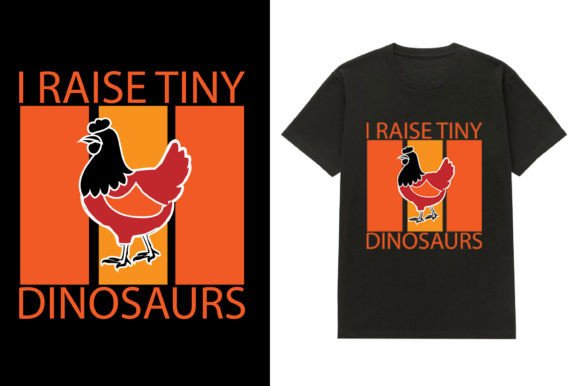
Hen T-shirt Design 05: A Practical Review for Embroidery Pros
As someone who spends more time at the hoop than away from it, I approach every new machine embroidery design with a critical eye. It is not just about whether the image looks cute on a screen; it is about how that digital embroidery file translates into thread, fabric, and ultimately, a finished product that holds up to wear and washing. Today, I am taking a close look at Hen T-shirt Design 05. This graphic comes from a creator who emphasizes trendy custom merch and long experience in the field, which usually signals a good starting point, but we need to dig deeper into its practical application for real-world projects.
First Impressions and Visual Personality
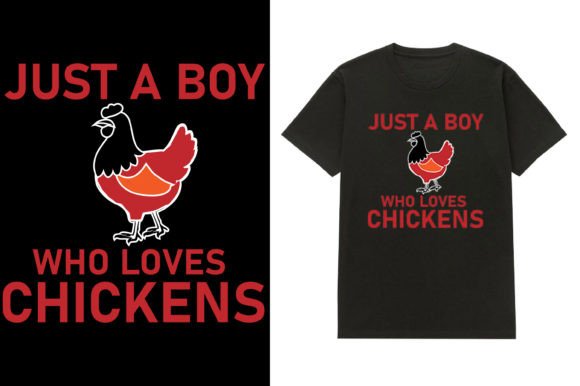
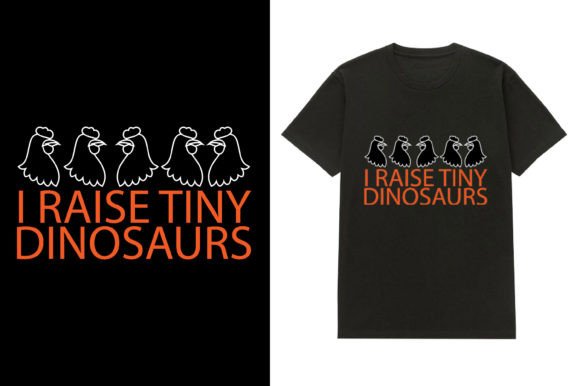
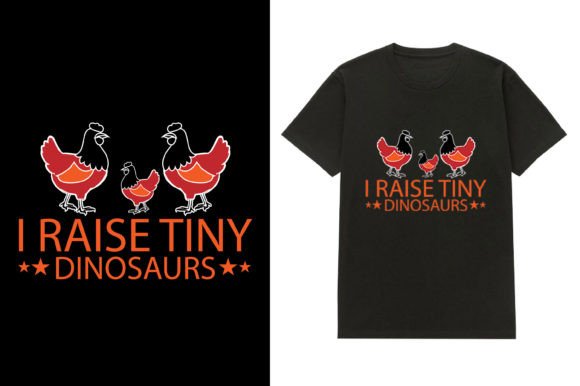
When I first pulled up the preview for Hen T-shirt Design 05, the immediate impression was one of rustic charm mixed with modern simplicity. The layout feels intentional, avoiding the clutter that often plagues budget-friendly graphics. For those of us in the craft business, visual clarity is everything. A design that reads well from a distance is essential for items like tote bags or aprons where the viewer might be standing a few feet away. The theme suggests a farmhouse aesthetic, making it a natural fit for kitchen textiles, nursery decor, or boutique apparel targeting the "cozy home" demographic.
The visual personality of this piece leans towards friendly and approachable. It does not scream for attention with overly complex details, which is actually a strength. In the world of T-Shirt Designs and Graphics, sometimes less is more. The shapes appear distinct enough to handle various thread types, whether you are aiming for a shiny satin stitch finish or a matte fill stitch look. However, without seeing the actual stitch map yet, my initial assessment is based on how the lines flow. Smooth curves generally indicate a well-digitized file, whereas jagged edges in a preview can signal potential stitching issues later on.
Real-World Application Scenarios
To truly evaluate Hen T-shirt Design 05, I imagined a specific project scenario. Picture a local farmer's market vendor who needs a batch of branded aprons and tea towels. They want something that says "homemade" without looking amateurish. This design fits that bill perfectly. If I were stitching this onto a heavy cotton canvas tote bag design, the boldness of the hen motif would stand out beautifully against the textured fabric. Similarly, for sweatshirt embroidery, the design offers enough surface area to look substantial without overwhelming the garment.
Another strong use case is in the realm of personalized gift items. Imagine a set of kitchen towels for a housewarming present or a onesie for a baby embroidery project. The gentle nature of the subject matter makes it versatile for all ages. For an Etsy seller looking to expand their small shop product line, this graphic could serve as a central element in a spring collection. It works well for holiday embroidery too, particularly for Easter or Thanksgiving themes where poultry and farm life are relevant motifs. The key here is adaptability; a good embroidery project starter should be flexible enough to move from a custom apparel order to a decorative pillow cover without losing its appeal.
Technical Considerations and Fabric Compatibility
While the aesthetic is promising, a professional reviewer must address the technical hurdles. Where should you use Hen T-shirt Design 05 carefully? Any design with detailed corners or varying line weights requires attention when working on stretchy fabric or thin materials like jersey knits. If the stitch density is too high, it can cause the fabric to pucker, ruining the drape of a t-shirt. Conversely, if the density is too low on a thick towel, the backing might show through.
Curved surfaces present another challenge. If you plan to use this on a cap or hat, you must ensure the design fits within the specific constraints of a cap frame. Detailed areas might compress awkwardly on the front panel of a baseball cap. Furthermore, dark fabrics require careful consideration of thread colors. A design that pops on white linen might disappear on navy blue unless the digitizer has included proper underlay stitches or outlined the shapes effectively. Always check if the file includes variants for light and dark backgrounds, or be prepared to manually adjust the color sequence in your embroidery software.
For products that need frequent washing, such as kitchen towels or children's clothes, the durability of the stitch types matters. A heavy reliance on running stitch for large areas might not hold up as well as a solid fill over time. If this design is intended as an applique design, ensure the placement lines are clear and the tack-down stitches are secure to prevent fraying edges after multiple wash cycles.
Enhancing Brand Value and Customer Trust
Using a high-quality graphic like Hen T-shirt Design 05 directly impacts your brand consistency. When customers receive a handmade product with crisp, clean stitching, it builds trust. Sloppy execution or a poorly chosen design can undermine the perceived value of your work. This particular design, with its balanced composition, helps elevate the professionalism of your output. It signals to the buyer that thought went into the creation process, not just a random clip-art dump.
For those creating printable mockup files or digital previews for their online stores, the clean lines of this graphic will render well in photos. Good photography sells, and a design that photographs clearly without visual noise is a valuable asset. Whether you are selling the physical embroidered patch or the finished garment, the visual appeal drives buyer engagement. It creates a sense of warmth and authenticity that resonates with consumers looking for unique, non-mass-produced items.
Essential Notes for the Working Designer
Before you commit to stitching Hen T-shirt Design 05 on a client's expensive garment, follow these practical steps. First, always test the design on scrap fabric that matches the weight and texture of your final material. This reveals issues with tension and density before they become costly mistakes. Second, review the hoop size requirements. Ensure your machine can accommodate the dimensions, especially if you are working with smaller hoops on bulky items like hoodies.
Inspect the small details closely. Are there tiny text elements or intricate feathers that might bunch up? If so, consider simplifying the stitch count or adjusting the pull compensation. It is also wise to test the design in black and white mockups to see how the contrast holds up without relying on color. Verify the licensing terms provided by the designer; since the description mentions creating custom merch, confirm whether the license allows for commercial use of the finished product or if there are restrictions on selling the design assets themselves.
Finally, do not skip the stabilizer. The right stabilizer is crucial for maintaining the shape of the design, especially on stretchy or textured fabrics. Whether you choose cut-away or tear-away depends on the fabric, but never underestimate its role in the success of your commercial embroidery projects. By treating Hen T-shirt Design 05 with the respect and preparation it deserves, you can turn a simple graphic into a standout piece that delights customers and strengthens your reputation as a skilled maker.