Review: Never Stop Smiling Sticker Svg for Embroidery
As a designer who spends more time staring at stitch maps than most people spend watching television, I approach every new digital embroidery file with a healthy dose of skepticism. We have all been there: you buy a cute graphic, load it into your software, and realize the lines are too close together for a satin stitch or the details are so fine they will vanish into the fabric texture. That is why I took a close look at the Never Stop Smiling Sticker Svg before committing it to a client project. This isn't just about whether the image looks good on a screen; it is about how it translates into thread, hoop, and fabric.
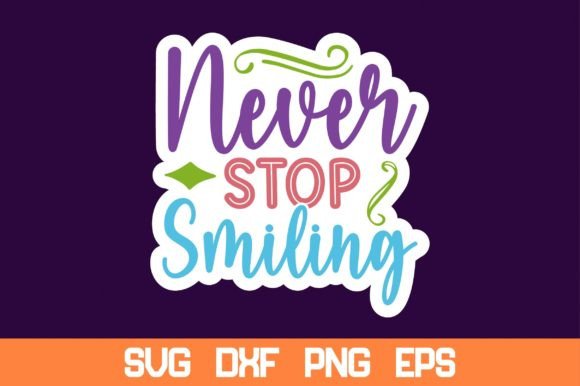
The first thing that strikes me about this design is its mood. The phrase "Never Stop Smiling" carries an inherent positivity that fits perfectly with current trends in boutique apparel and nursery decor. Visually, the layout feels balanced. It has that "sticker" aesthetic—clean outlines and a self-contained shape—which often translates very well into an embroidered patch or a chest logo on a hoodie. For those of us running a craft business, finding a design that works across multiple product categories without needing a complete overhaul is gold.
Real-World Application: The Tote Bag Test
To give this design a fair shake, I imagined a specific real-life scenario: a custom order for a local yoga studio needing branded tote bag design items for their instructors. The goal was something cheerful but professional. I pulled the files into my digitizing software to inspect the paths. Since the product description notes compatibility with Inkscape, Adobe Illustrator, and Photoshop, I had no trouble importing the vector data to analyze the shapes.
The typography in Never Stop Smiling Sticker Svg appears robust enough for stitching. One of my biggest pet peeves is script fonts where the lowercase letters are so thin that a standard running stitch looks like a dashed line rather than text. Here, the letterforms have enough weight. If I were digitizing this from scratch based on this SVG, I would likely opt for a clean satin stitch for the text to give it that premium, raised look. For the surrounding elements, a light fill stitch could add dimension without creating a cardboard-like stiffness on the fabric.
For the yoga tote, I envisioned using a natural canvas background with white or pastel thread colors. The contrast would be sharp, ensuring the message is readable from a distance. This kind of clarity builds customer trust; if a buyer can read your branding instantly, the perceived value of the handmade product goes up immediately.
Versatility Across Products
Beyond tote bags, this design screams versatility. I can easily see this working as sweatshirt embroidery for a casual weekend wear line. The "sticker" style mimics the popular vinyl heat-transfer look but offers the durability and texture of thread. For baby embroidery projects, such as a onesie or a burp cloth, the sentiment is perfect. However, scale is everything here. On a small baby garment, you must ensure the design is resized appropriately so the text doesn't become illegible.
I also considered this for holiday gifts. A set of kitchen towels featuring this quote would make a charming housewarming present. In this context, the design acts as a focal point. Because it is a standalone graphic, it doesn't require complex placement strategies like an all-over print. It sits happily in the center or the corner, doing its job without overwhelming the fabric texture.
For Etsy sellers and digital product creators, this asset is valuable because it bridges the gap between cut files and stitch files. While the primary format listed includes EPS and DXF for cutting machines like Cricut and Silhouette, the clean vector lines mean less cleanup time when converting to a machine embroidery design. Time saved in digitizing is time spent shipping orders.
Critical Considerations for Stitching
Now, let's talk about the potential pitfalls. No design is perfect for every situation, and honest reviews need to address where things might go wrong. If you plan to use Never Stop Smiling Sticker Svg on dark fabric, you need to be strategic about your underlay. A white text on a black hoodie requires a dense underlay stitch to prevent the dark fabric from peeking through the gaps in the top stitching. Without this, your finished product will look amateurish.
Another area of caution is stitch density. If the original vector has very tight curves or extremely small details, a high-density fill might cause the fabric to pucker, especially on stretchy materials like t-shirts or caps. Speaking of caps, embroidering on a curved surface is tricky. If the design is too wide, it might distort over the front panel of a hat. I would recommend testing this on a scrap piece of the actual cap material first. Always check your hoop size constraints; while this design looks compact, ensure it fits within your smallest hoop if you plan on doing pocket logos.
Furthermore, consider the end user's lifestyle. If this is going onto a custom apparel item that will be washed frequently, like a gym shirt, avoid overly long satin stitches that might snag. A slightly textured fill or a split stitch might offer better longevity. Always advise your clients on care instructions to maintain the integrity of the embroidery.
Enhancing Brand Value and Appeal
Why does this specific design matter for your brand? Consistency is key in building recognition. Using a cohesive set of graphics like this across your small shop product line helps customers identify your work instantly. The cheerful vibe of "Never Stop Smiling" aligns well with brands focused on wellness, children's products, or lifestyle goods. It adds an emotional layer to the physical item.
When presenting this in printable mockup form for your online store, the clean lines of the SVG will render sharply, making your digital storefront look professional. High-quality visuals lead to higher engagement. Customers are more likely to click "add to cart" when they can clearly visualize the quality of the embroidery through your photos.
Practical Designer Notes
Before you rush to stitch this out on a final garment, here is my checklist for using this file effectively:
- Test on Scrap Fabric: Never skip this step. Stitch the design on the same type of fabric you intend to use for the final product to check for puckering or registration issues.
- Check Thread Contrast: Ensure your thread colors pop against the fabric. Low contrast can make even the best design look muddy.
- Review Stabilizer: Match your stabilizer to the fabric weight. Stretchy knits need cut-away stabilizer, while wovens often do fine with tear-away.
- Inspect Small Details: Zoom in on the digitized version. Are the connections between letters secure? Do tiny elements have enough stitch coverage?
- Verify Licensing: The product description mentions commercial compatibility with various software, but always double-check the specific license terms regarding selling finished physical goods versus reselling the digital file itself.
- Mockup in Black and White: Sometimes seeing a design in grayscale helps you spot density issues that color might hide.
In conclusion, the Never Stop Smiling Sticker Svg is a solid contender for your library of design assets. It offers a blend of modern aesthetics and practical applicability that suits a wide range of commercial embroidery projects. Whether you are making a single personalized gift or batching out inventory for a craft fair, this design holds up well under scrutiny. Just remember that the file is only half the battle; your choice of thread, fabric, and technique will ultimately define the success of the embroidery project. With careful preparation and a keen eye for detail, this graphic can become a staple in your portfolio, bringing a bit of joy to every item it adorns.