Review: Support Wildlife Raise Boys Sticker Svg for Embroidery
As a designer who spends more time staring at stitch maps than most people care to admit, I approach every new digital embroidery file with a mix of curiosity and skepticism. We have all been there: you buy a design that looks perfect on the screen, only to find out it turns into a bird's nest of thread breaks and puckering once it hits the hoop. Today, I am taking a close look at the Support Wildlife Raise Boys Sticker Svg. While the product listing highlights its compatibility with cutting machines like Cricut and Silhouette, my interest lies in how this graphic translates into a tangible embroidery project for custom apparel and handmade goods.
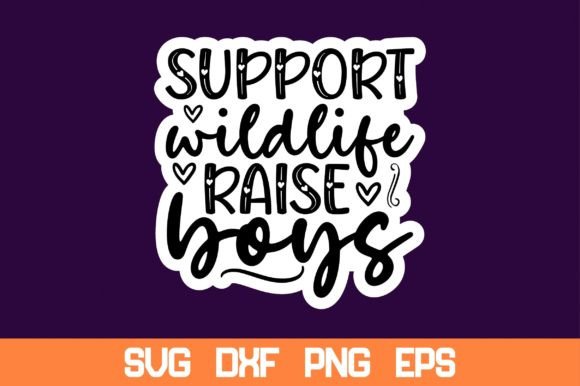
The first thing that strikes me about this design is its mood. It carries a gentle, advocacy-driven message that feels incredibly relevant for modern parents and nature lovers. The layout suggests a sticker-style aesthetic, which usually implies bold outlines and solid fills. In the world of machine embroidery design, this is often a good sign. Bold shapes tend to digitize well, offering clear paths for satin stitch borders and reliable fill stitch areas. However, the devil is always in the details, especially when we are talking about wildlife themes where organic curves can sometimes get lost if the stitch density isn't managed correctly.
Real-World Application: The Custom Tote Bag Scenario
To truly evaluate the Support Wildlife Raise Boys Sticker Svg, I imagined a specific real-life scenario. Picture a small shop owner preparing for a spring craft fair. They want to create a line of eco-friendly tote bags aimed at mothers who love the outdoors. This design fits that niche perfectly. If I were stitching this onto a canvas tote bag design, the "sticker" look would provide a crisp, modern pop against the textured fabric.
The visual personality of the graphic suggests it would work beautifully as a central chest logo on a sweatshirt embroidery project or as a focal point on a nursery pillow. For an Etsy seller, the value here is in the storytelling. Customers aren't just buying a bag; they are buying into the sentiment of raising boys who respect nature. When executed with high-quality thread colors—perhaps earthy greens, browns, and soft blues—the finished product exudes professionalism. It moves beyond a simple craft item and becomes a statement piece that builds customer trust and brand recognition.
Navigating Fabric Textures and Hoop Limitations
While the potential is high, we must discuss where caution is needed. The product description notes that the files are vector-based (EPS) and compatible with AutoCAD (DXF), which is excellent for resizing before digitizing. However, if you are using a pre-digitized version or converting this yourself, you need to be mindful of hoop size constraints. If the design includes intricate wildlife details, shrinking it too much for a small cap or a baby onesie could result in lost definition.
Texture is another critical factor. On a smooth cotton shirt, the lines will remain sharp. But if you attempt this on a thick, looped towel or a stretchy knit for baby embroidery, the interaction between the stabilizer and the fabric texture becomes paramount. A design with dense fill areas can cause puckering on stretchy materials if not properly backed. I would strongly advise testing this on scrap fabric first, specifically checking how the corners and curved edges of the wildlife elements hold up. For dark fabrics, ensure your digitizing software includes a proper underlay to prevent the background color from peeking through the stitches.
Commercial Viability and Design Assets
For those running a craft business, the versatility of this graphic is a major asset. Because it is listed under Crafts and Graphics, it serves a dual purpose. You can use it directly for cutting vinyl heat transfers, or, as I am focusing on, convert it for embroidery. This flexibility allows a small shop product line to remain consistent across different mediums. Imagine offering a matching set: a vinyl decal for a water bottle and an embroidered patch for a backpack, both featuring the same Support Wildlife Raise Boys Sticker Svg motif.
The clarity of the design directly impacts the perceived value of your handmade product. Sloppy stitching or poor color choices can make even the best design look cheap. Conversely, a well-executed version of this design on a high-quality apron or kitchen towel elevates the item to a premium personalized gift. It shows attention to detail and a commitment to quality, which are key drivers for buyer engagement in the competitive marketplace of online selling.
Practical Notes for the Embroiderer
Before you commit to a full production run, here are a few practical steps I recommend based on my experience with similar files:
- Check the License: Always confirm the licensing terms before selling finished items. Ensure the file allows for commercial use if you plan to sell the embroidered goods.
- Test Stitch Density: If you are digitizing the EPS or DXF files yourself, pay close attention to the stitch count in the wildlife details. Too many stitches in a small area can lead to thread breaks.
- Contrast is Key: Review your thread color chart. Test the design in black and white mockups first to ensure the shapes are distinct without relying solely on color differences.
- Stabilizer Selection: For stretchy garments like t-shirts, use a cut-away stabilizer to maintain the shape of the design over time, especially for items that will undergo frequent washing.
- Curved Surfaces: If applying this to a cap, remember that the curvature can distort the image. You may need to adjust the pull compensation in your digitizing software.
In conclusion, the Support Wildlife Raise Boys Sticker Svg offers a charming and meaningful aesthetic that translates well into the tactile world of embroidery. It bridges the gap between digital convenience and handmade warmth. Whether you are creating holiday embroidery gifts, stocking a boutique with custom apparel, or making a special embroidered patch for a family member, this design holds significant promise. Just remember that the file is only half the battle; the magic happens in how you prepare your machine, select your materials, and execute the stitch. With careful planning and a test run, this design can become a standout star in your portfolio of design assets.