Class of 2029: A Designer's Review for Real Embroidery Projects
As a designer who spends more time staring at stitch simulations than most people care to admit, I approach every new machine embroidery design with a mix of optimism and skepticism. When I first pulled the Class of 2029 file from my download folder, my immediate thought wasn't about the digital crispness, but rather how this specific graphic would translate into thread. We are looking at a milestone year for a lot of future graduates, and the pressure to get the aesthetic right for parents and boutiques is high. This isn't just a digital asset; it is the blueprint for a handmade product that needs to survive wash cycles, toddler tantrums, and the scrutiny of craft fair customers.
First Impressions and Visual Personality
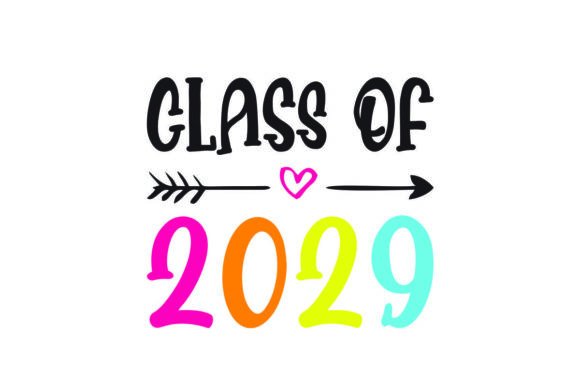
The Class of 2029 graphic lands with a clean, modern vibe that feels appropriate for the upcoming academic decade. Visually, it strikes a balance between celebratory and timeless. Unlike some overly cluttered graduation designs that rely on too many decorative flourishes, this piece seems to prioritize readability. For an embroidery project, this is crucial. When you are converting a PNG or SVG into stitches, simplicity often wins. The layout suggests a strong potential for satin stitch lettering, which provides that premium, raised look customers love on custom apparel. However, the devil is always in the details. Before committing to a final run, I always analyze the corners and curves. Sharp angles in a digital Illustrations file can sometimes turn into jagged, messy stitch points if the digitizing isn't precise. My advice is to zoom in on those edges. If the lines are smooth in the vector format, they have a much better chance of translating well into a fill stitch or running stitch outline without excessive trimming.
Real-World Application: The Tote Bag Scenario
Let's walk through a realistic scenario where this design shines. Imagine a local boutique owner preparing for a back-to-school rush or a parent organizing a group gift for a kindergarten class moving up. The Class of 2029 design is perfectly sized for a sturdy canvas tote bag design. In this context, the durability of the stitch matters immensely. A tote bag gets thrown around, stuffed with books, and washed frequently. If you are using this as a digital embroidery file for such a project, you need to consider the stitch density. Too dense, and the fabric will pucker, making the bag look cheap and distorted. Too light, and the backing fabric might peek through, ruining the professional finish. I recommend testing this on a scrap piece of your actual canvas first. Check how the thread colors interact with the fabric texture. A classic navy or black thread on a natural canvas tote creates a sophisticated, collegiate look that elevates the perceived value of the finished product.
Expanding to Apparel and Nursery Decor
Beyond bags, this graphic is a strong contender for sweatshirt embroidery. Hoodies and crewnecks are staple items for school spirit wear. Here, the stretchiness of the fabric becomes a variable you cannot ignore. When stitching Class of 2029 onto a cotton-poly blend sweatshirt, the use of a cut-away stabilizer is non-negotiable. You want the design to remain stable even when the garment stretches over a head. For those targeting the nursery market, this design could easily be adapted for baby embroidery on onesies or bibs. However, scale is everything. What looks great on a chest panel might be overwhelming on a small baby item. You may need to resize the Graphics file significantly. Always ensure that when you shrink the design, the text remains legible. Tiny lettering is the enemy of clean embroidery; if the letters become too small, the threads will merge, and "2029" will look like a blurry blob.
Technical Considerations and Fabric Challenges
While the versatility of Class of 2029 is a selling point, there are specific situations where caution is required. If you plan to place this on a curved surface like a cap, you must be wary of distortion. Caps are notoriously difficult for wide designs. If the text spans too wide, it might not sit flat against the front panel, leading to gaps in the stitching or a warped appearance. Similarly, be careful with dark fabrics. If the design relies on fine details or light colors, you might need to incorporate an underlay stitch or even consider an applique design approach where a patch of contrasting fabric is stitched down first. This adds dimension and ensures the colors pop against a black or navy background. Furthermore, avoid using this on extremely thin or sheer fabrics unless you are experienced with water-soluble stabilizers and very fine needles. The weight of the thread can pull on delicate materials, causing permanent damage to the small shop product.
Maximizing Value for Etsy Sellers and Crafters
For the Etsy seller or creative entrepreneur, the visual appeal of your listing photos often dictates sales. The Class of 2029 design offers a clean canvas for creating stunning printable mockup images before you even stitch a single thread. Use the high-resolution PNG included in the zip folder to create lifestyle images that show the design on various products. This helps buyers visualize the end result. However, remember that trust is built on the quality of the physical item. A customer buying a personalized gift expects perfection. Ensure your thread color choices are consistent with current trends—muted pastels and earth tones are currently very popular for graduation items, moving away from the neon brights of the past. By paying attention to these nuances, you enhance your brand consistency and encourage repeat business.
Final Verdict and Practical Tips
In conclusion, Class of 2029 is a solid addition to any designer's library, provided it is treated with the technical respect it requires. It is not just a file to be clicked and stitched; it is a component of a larger commercial embroidery strategy. Before launching a full production run, always stitch out a test sample on the exact fabric you intend to use. Check the back of the hoop to ensure there are no excessive jumps or loose threads that could irritate sensitive skin, especially for baby items. Verify the hoop size requirements to ensure your machine can handle the dimensions without re-hooping, which can lead to alignment issues. Finally, double-check the licensing terms provided in the download. While the files (SVG, DXF, PNG) are versatile for both cutting machines and embroidery digitizing software, understanding whether you can sell the digital file itself versus the finished physical good is vital for legal compliance. With the right preparation and attention to detail, this design has the potential to become a bestseller in your craft business, delivering joy to the Class of 2029 and their proud families.