Review: Electric Power Safety Sign for Embroidery
As a designer who spends more time staring at stitch maps than most people care to admit, I approach new design assets with a healthy dose of skepticism. We have all downloaded a file that looked crisp on the screen only to turn into a bird's nest of thread on the hoop. Today, I am taking a close look at the Electric Power Safety Sign. Caution Stic. This isn't just a graphic; it is a potential centerpiece for a range of handmade products, from industrial-chic workwear to ironic home decor.
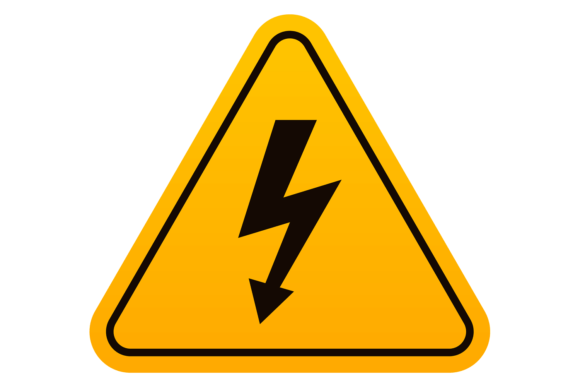
The source material describes this item as an illustration available in EPS, JPG, SVG, and transparent PNG formats. For us embroidery enthusiasts, this immediately raises a crucial point: these are vector and raster graphics, not native embroidery files. Before you even think about threading your machine, you need to understand that this design requires digitizing. However, the clean, isolated nature of the "danger label" on a white background suggests it is an excellent candidate for conversion. The high contrast and bold geometry typically translate well into satin stitch borders and solid fill stitch areas, which are the bread and butter of durable embroidery.
Visual Impact and Project Suitability
My first impression of the Electric Power Safety Sign. Caution Stic is one of authoritative boldness. Safety signage is designed to be seen from a distance, and that inherent clarity is a massive advantage when translating art into thread. The mood is serious yet stylish, fitting perfectly into the current trend of utilitarian fashion. I can easily envision this working as a chest logo on a heavy-weight canvas tote or as a large back patch on a denim jacket.
Let's talk about a real-world scenario. Imagine a client runs a small electrical contracting business and needs branded apparel for their team that stands out from the generic polo shirts everyone else wears. They want something that screams "safety first" but looks custom-made. Using this design as the basis for a custom embroidered patch would be a brilliant move. The sharp angles and warning colors (which you would replicate with vibrant thread) create immediate visual recognition. It tells a story of professionalism and caution without needing extra text.
Beyond commercial applications, there is a fun angle for Etsy sellers and crafters targeting the DIY crowd. There is a growing market for "man cave" decor or garage organization items. Stitching this motif onto a heavy-duty apron or a tool roll creates a personalized gift that feels rugged and intentional. The graphic nature of the Illustrations category means the lines are likely clean, reducing the risk of ambiguous shapes that can confuse a digitizer or result in messy stitching.
Navigating Technical Challenges in Stitching
While the concept is strong, executing the Electric Power Safety Sign. Caution Stic requires careful planning. When you take a graphic intended for print and adapt it for a machine embroidery design, you are fighting physics. Thread has volume; ink does not. If you are digitizing this yourself or hiring someone to do it, pay close attention to the small details. Safety signs often include exclamation points, lightning bolts, or specific typography. If the original graphic has tiny lettering, it may need to be simplified or enlarged significantly to prevent the stitches from merging into an unreadable blob.
Fabric choice is another critical variable. This design would shine on stable, woven fabrics like twill, denim, or canvas. These materials provide the necessary support for dense stitching. However, if you attempt to stitch this directly onto a stretchy t-shirt or a thin baby onesie without proper stabilization, you are asking for trouble. The weight of the thread could cause the fabric to pucker, distorting the straight lines that define a safety sign. For custom apparel made of knit fabrics, I strongly recommend using a cut-away stabilizer rather than tear-away to maintain the integrity of the shape over time.
Curved surfaces present another hurdle. If you plan to put this on a cap, remember that the front panel is curved. Large, wide designs can sometimes bridge across the curve, leaving gaps where the bobbin thread shows through. You might need to adjust the stitch density or break the design into smaller sections if you are adapting it for headwear. Always test your digitized version on a scrap piece of the actual fabric you intend to use. A test run on muslin is not enough; you need to see how the threads interact with the final texture.
Maximizing Value and Professionalism
The ultimate goal of any embroidery project is to create a finished product that looks professional and adds value. The Electric Power Safety Sign. Caution Stic has the potential to elevate a basic item into something premium. A plain black sweatshirt becomes a statement piece with a high-contrast yellow and black warning symbol stitched on the sleeve. This kind of detail builds customer trust. When buyers see precise stitching and thoughtful design placement, they perceive the maker as skilled and reliable.
For those running a craft business, consistency is key. If you use this graphic as part of a series—for example, creating a line of safety-themed kitchen towels or workshop decor—ensure your thread colors match perfectly across every item. Use a color chart and stick to specific thread brands to avoid variations that look like mistakes. Also, consider how the design looks in different lighting. High-gloss rayon threads might catch the light nicely on a display shelf, but matte polyester threads often hold up better to frequent washing and industrial detergents, which is vital for workwear.
It is also worth mentioning the versatility of this asset for digital marketing. Before you even stitch a single thread, you can use the provided SVG or PNG files to create printable mockups. Show your customers what the tote bag design or sweatshirt embroidery will look like on their screens. This helps manage expectations and can significantly boost engagement on social media or your online shop listings.
Final Verdict and Practical Advice
The Electric Power Safety Sign. Caution Stic is a robust starting point for creative entrepreneurs who understand the gap between graphic art and textile decoration. Its strength lies in its bold, recognizable silhouette, which translates well to the tactile world of thread. However, success depends entirely on the preparation. Do not assume the graphic is ready to stitch out of the box. Verify the licensing terms to ensure you are allowed to use the image for commercial commercial embroidery projects. Check the resolution of the JPG and the scalability of the EPS to ensure your digitizer has clean lines to work with.
Remember to check hoop size limitations on your machine. If the design is large, you may need to re-hoop or use a multi-position feature. Inspect small corners and sharp turns in your digitized preview; these are common failure points where needles can break or threads can snap. Finally, always wash and dry your test samples. A safety sign that fades or frays after one wash undermines the very message it is supposed to convey.
In the hands of a skilled maker, this design can transform simple fabrics into durable, eye-catching goods. Whether you are outfitting a construction crew or making a quirky holiday gift for a DIY enthusiast, the Electric Power Safety Sign. Caution Stic offers a solid foundation for high-quality, impactful embroidery work. Just respect the process, plan your stitches, and let the boldness of the design speak for itself.