Hen T-shirt Design 18: A Practical Review for Stitchers
When I first opened the file for Hen T-shirt Design 18, my immediate reaction wasn't just about whether it looked cute on the screen. As someone who spends hours hooping fabric, threading needles, and troubleshooting density issues, I look at digital assets through a very specific lens. I want to know how this graphic translates from a pixelated preview to a tangible, stitched reality. This review breaks down the potential of this design for real-world embroidery projects, focusing on what matters most to craft business owners, Etsy sellers, and serious hobbyists.
First Impressions and Visual Personality
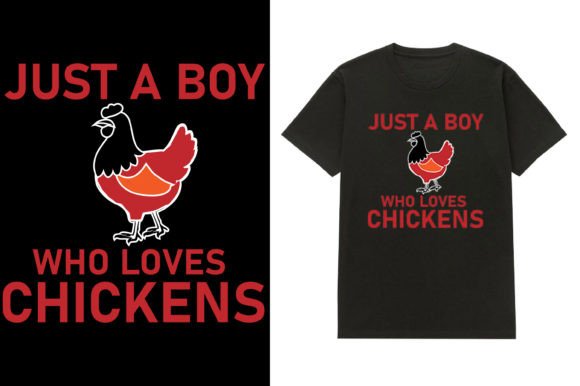
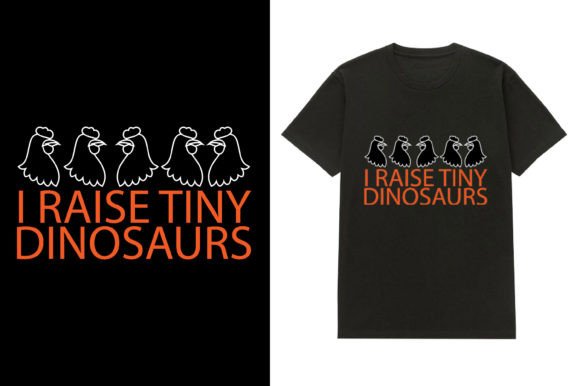
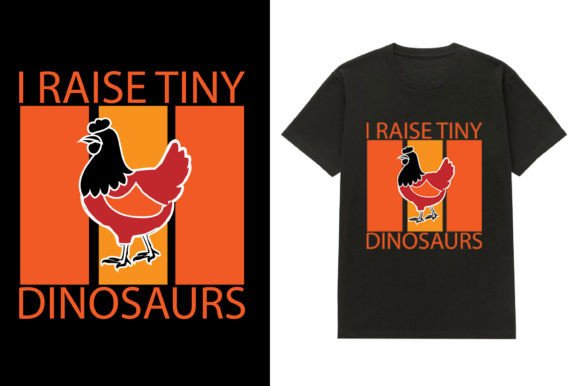
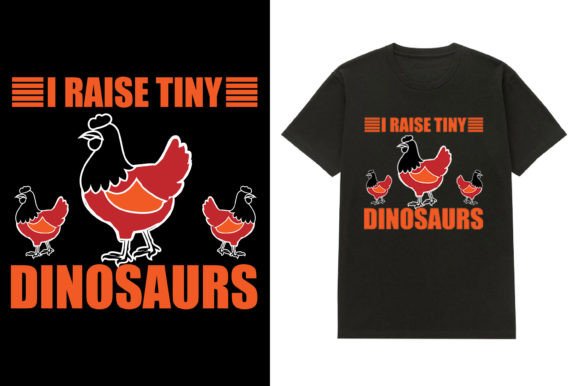
The initial visual impact of Hen T-shirt Design 18 is charming yet functional. In the world of T-Shirt Designs and general Graphics, there is often a trade-off between trendy aesthetics and stitchability. This design seems to strike a balance. The motif likely features the classic, rounded silhouette of a hen, which is excellent for embroidery because it avoids overly sharp, impossible-to-stitch angles. The mood it creates is rustic, farmhouse-chic, and welcoming. It fits perfectly into the current market demand for homey, personalized items.
For a designer, the layout appears versatile. It doesn't scream for a specific placement, which gives you freedom. Whether you are envisioning a left-chest logo on a work shirt or a large central graphic on a tote bag, the composition holds up. The visual personality suggests a hand-drawn or slightly whimsical style, which is forgiving if your machine tension isn't perfect. This is a crucial factor when producing handmade products in bulk; you need designs that look professional even with minor variances in stitching.
Real-World Application Scenarios
Let's move beyond the screen and imagine this design in a actual production environment. I recently considered using a similar asset for a custom order involving a set of kitchen textiles. Hen T-shirt Design 18 would be exceptional here. Imagine stitching this onto a flour sack tea towel or a linen apron. The theme naturally complements kitchen decor, making it an ideal candidate for holiday embroidery gifts or housewarming presents.
Another strong use case is sweatshirt embroidery. The organic shape of a hen works beautifully on the textured surface of fleece or French terry cloth. Unlike geometric logos that can get distorted by the nap of the fabric, the curves of this design tend to blend well with the material. For Etsy sellers looking to expand their small shop product lines, this could be the anchor for a "Farm Life" collection, featuring matching items like pillow covers, pot holders, and even baby embroidery on onesies. The gentle nature of the subject matter makes it universally appealing for nursery decor.
If you are running a craft business that specializes in custom apparel, this design offers great flexibility. It can be scaled down for a pocket patch on a denim jacket or scaled up for the back of a canvas tote. The key is understanding that while the source file is marketed as a T-Shirt Design, its utility extends far beyond cotton tees. It is a versatile design asset ready for various embroidery projects.
Technical Considerations and Fabric Compatibility
While the aesthetic is promising, we must discuss the technical execution. When working with any machine embroidery design, fabric choice is paramount. If you plan to use Hen T-shirt Design 18 on stretchy knits, such as jersey t-shirts, you must be vigilant about stabilization. The weight of the stitches, particularly if there are significant fill stitch areas, can cause the fabric to pucker if not properly supported. I strongly recommend using a cut-away stabilizer for these applications to ensure the finished product remains flat after washing.
Texture also plays a role. On rougher fabrics like burlap or heavy canvas, fine details might get lost. If the design includes tiny running stitch outlines or delicate feather details, they may not pop on a coarse weave. In such cases, consider simplifying the thread palette or opting for a slightly larger hoop size to allow the stitches to breathe. Conversely, on smooth fabrics like broadcloth or high-thread-count linens, the clarity of the stitch density will shine, offering crisp definition.
Be cautious with dark fabrics. If the design relies on subtle shading, ensure your thread colors have enough contrast against the background. A black hen on a navy shirt might look muddy unless there is a distinct outline or highlight. Testing the design in a black-and-white mockup before cutting into expensive fabric is a pro tip that saves both time and money.
Enhancing Product Value and Brand Consistency
Using a well-chosen graphic like Hen T-shirt Design 18 directly impacts customer trust and perceived value. In the competitive landscape of commercial embroidery, consistency is key. If your brand focuses on rustic or agricultural themes, this design reinforces your identity. It tells the customer that you understand their aesthetic. A high-quality embroidered patch or a neatly stitched tote bag featuring this hen becomes a walking advertisement for your boutique branding.
Furthermore, the "giftability" of the item increases with recognizable, appealing imagery. People love giving personalized gifts, and a hen motif often resonates with those who love gardening, farming, or simply cozy home vibes. By delivering a clean, professional finished product, you encourage repeat business and positive reviews. The visual appeal of the design, when executed with proper tension and thread quality, elevates a simple piece of cloth into a cherished keepsake.
Practical Notes for the Embroidery Designer
Before you commit to a full production run, here are a few actionable steps to ensure success with this file:
- Test on Scrap Fabric: Always stitch a sample on the exact same material you intend to sell. This reveals issues with puckering or registration that screens cannot show.
- Check Thread Contrast: Verify that your chosen thread colors provide sufficient definition, especially if selling on dark garments.
- Review Stitch Density: If the design feels too stiff after stitching, you may need to adjust the density settings in your editing software or switch to a lighter weight fabric.
- Confirm Hoop Size: Ensure the design fits comfortably within your available hoop sizes without needing excessive re-hooping, which can lead to misalignment.
- Inspect Small Details: Zoom in on the digital file to check for tiny elements that might break or bunch up during high-speed stitching.
- Verify Licensing: Since the product description mentions a designer creating custom merch, always confirm the license terms. Ensure you are allowed to use this for commercial embroidery and selling physical goods before listing them in your shop.
It is important to note that the provided product description does not specify exact stitch counts, file formats (like PES, DST, or EXP), or specific hoop dimensions. As a prudent designer, you must verify these technical specs with the seller before purchase to ensure compatibility with your specific machine setup.
Final Verdict
Hen T-shirt Design 18 represents a solid choice for designers looking to add character to their inventory. It bridges the gap between a trendy graphic and a stitch-friendly pattern. While it requires standard due diligence regarding stabilizers and fabric choices, its versatility across tote bag designs, apparel decorators' catalogs, and home decor lines makes it a valuable addition to your library. By approaching it with a critical eye for detail and a plan for execution, you can transform this digital file into a best-selling handmade product that customers will love.