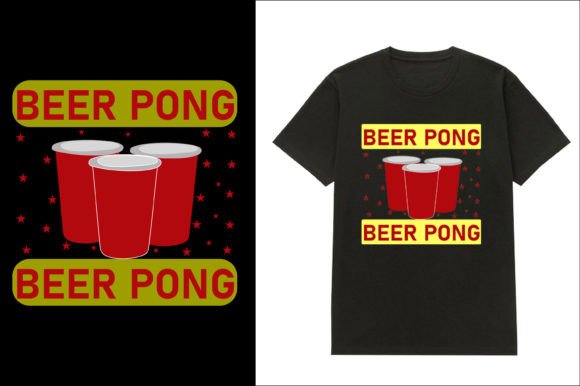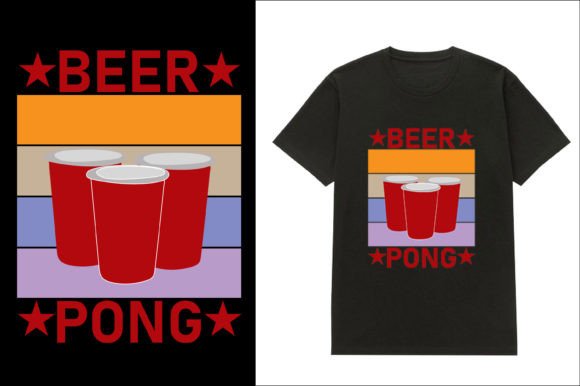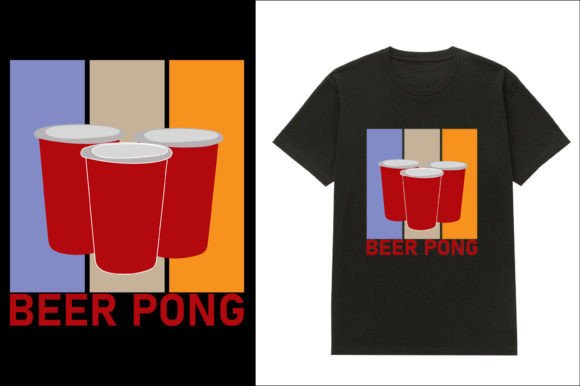
Reviewing Beer T-shirt Design 04 for Real Embroidery Projects
As a designer who spends more time at the hoop than behind a keyboard, I approach every new digital embroidery file with a mix of excitement and skepticism. We have all downloaded a design asset that looked fantastic on a screen but turned into a thread nest on fabric. Today, I am taking a close look at Beer T-shirt Design 04. This isn't just a visual critique; it is a practical evaluation of how this graphic holds up when translated into thread for real-world applications.
The first impression of Beer T-shirt Design 04 is one of casual confidence. The layout suggests a theme built for relaxation, social gatherings, and perhaps a bit of weekend humor. Visually, it carries the personality of a classic pub sign or a favorite brewery logo, which immediately tells me where it belongs. It feels right at home on a custom apparel piece meant for leisure wear. However, seeing a T-Shirt Design as a flat Graphic is very different from imagining it as a machine embroidery design. The transition from pixel to stitch requires a critical eye for density, flow, and fabric compatibility.
Visualizing the Stitch-Out: From Screen to Fabric
When I analyze a file like Beer T-shirt Design 04, my mind immediately jumps to texture. Does this design rely heavily on fill stitch blocks, or does it utilize satin stitch columns for definition? Based on the typical nature of beer-themed graphics, I anticipate a combination of both. A solid fill might be used for the main body of a mug or glass, while satin columns would define the rim or any text elements. If the original artwork includes fine details, the digitizer must have converted these carefully into running stitch or simplified shapes to prevent breakage during washing.
The mood created by this design is undeniably friendly and approachable. It is not overly ornate, which is a significant advantage for embroidery. Overly complex Graphics often lose their charm when stitched because the thread cannot capture every micro-detail of a printed image. Beer T-shirt Design 04 appears to have a bold silhouette, which is excellent for stitching clarity. Bold shapes translate well into thread, ensuring that the finished product remains legible even from a distance.
Real-World Application Scenarios
To truly test the viability of this design, let's place it in a specific scenario. Imagine you are preparing a batch of items for a local craft fair or updating your Etsy seller inventory for the holiday season. You decide to create a line of embroidered patch products or perhaps customize some heavy cotton tote bags.
In this context, Beer T-shirt Design 04 shines. On a canvas tote bag design, the sturdy fabric can support the weight of the stitching without puckering. The design would serve as a central focal point, adding value to a simple bag and turning it into a statement piece. Similarly, for sweatshirt embroidery, this graphic would look fantastic on the chest or sleeve of a fleece hoodie. The texture of the fleece pairs well with the tactile nature of embroidery, enhancing the cozy, casual vibe of the beer theme.
For those running a craft business, versatility is key. This design could easily be adapted for holiday embroidery projects, such as gifts for Father's Day or party favors for a bachelor celebration. It also fits well within the realm of personalized gift ideas. Adding a name or date below the main graphic using a complementary font could elevate it from a standard print to a bespoke item. However, if you are considering this for baby embroidery, proceed with caution. The theme might not suit all clients, and the stitch density must be soft enough for sensitive skin if used on infant clothing.
Technical Considerations and Fabric Challenges
While the aesthetic appeal is strong, a professional reviewer must address the technical hurdles. Not every fabric is ready for Beer T-shirt Design 04. If you plan to stitch this on stretchy knits or thin performance fabrics, you must pay close attention to your stabilizer choice. A design with significant coverage requires a cut-away stabilizer to prevent the fabric from distorting under the tension of the threads. Without proper backing, even the best embroidery file can cause rippling.
Curved surfaces present another challenge. If you intend to use this on a cap, ensure the design fits within the constraints of a cap frame. The curvature of a hat can distort wide designs, making text unreadable or shapes appear warped. Beer T-shirt Design 04 should be tested on a scrap piece of similar material wrapped around a curve before committing to a production run. Additionally, dark fabrics require careful selection of thread colors. If the design relies on subtle shading, it might get lost on black or navy blue garments. High contrast is essential for maintaining the visual impact of the small shop product.
Another factor to consider is stitch density. If the digitization is too dense, the resulting patch will be stiff and uncomfortable. For wearable items like t-shirts or aprons, the back of the embroidery should feel relatively smooth. Excessive layering of thread can make the garment heavy and prone to tearing at the stitch lines after frequent washing. Always review the density settings if your software allows, or request a test stitch-out from the provider.
Enhancing Brand Value and Customer Trust
From a business perspective, the quality of your design assets directly influences customer trust. A clean, well-executed embroidery job signals professionalism. When a customer sees a crisp outline and even fills on a product featuring Beer T-shirt Design 04, they perceive higher value. This perception allows you to price your handmade product higher than a mass-produced screen-printed alternative.
Consistency is also vital for boutique branding. If this design becomes part of your signature collection, ensure that every stitch-out meets the same standard. Variations in thread tension or color matching can dilute your brand identity. Using high-quality rayon or polyester threads that resist fading will ensure that the commercial embroidery project stands the test of time and repeated laundering.
Practical Notes for the Embroiderer
Before you load Beer T-shirt Design 04 into your machine, here are a few actionable steps to ensure success:
- Test on Scrap Fabric: Never skip the test run. Use the exact fabric and stabilizer you plan to use for the final item to check for registration issues or puckering.
- Check Thread Contrast: View your printable mockup in black and white to ensure the design elements distinguish themselves clearly without relying solely on color.
- Verify Hoop Size: Confirm that the design fits your available hoop. Trying to force a large design into a small hoop by splitting it can lead to alignment nightmares.
- Inspect Small Details: Look closely at tiny lettering or intricate corners. These areas are prone to thread breaks and may need manual editing in your digitizing software.
- Review Licensing: Since this originates from a T-Shirt Designs store, clarify the license terms. Are you allowed to sell the physical embroidered items? Can you resell the digital file? Understanding these boundaries is crucial for avoiding legal issues in your creative entrepreneur journey.
The provided description mentions a "specialized t-shirt Designer" with "long experie[nce]," which is a good sign, but it lacks specific technical data like stitch count or format compatibility. Therefore, it is imperative to contact the seller or check the product listing thoroughly for details on machine compatibility (PES, DST, EXP, etc.) before purchasing.
Final Verdict
Beer T-shirt Design 04 offers a solid foundation for a variety of embroidery project types, ranging from casual wear to decorative home goods. Its strength lies in its bold thematic presence and likely adaptability to different mediums. However, its success ultimately depends on the execution. By respecting the limitations of fabric, choosing the right stabilizer, and verifying the technical specifications, you can transform this graphic into a standout finished product. Whether you are an experienced decorator or a hobbyist looking to expand your portfolio, this design holds promise provided it is treated with the technical care it deserves.