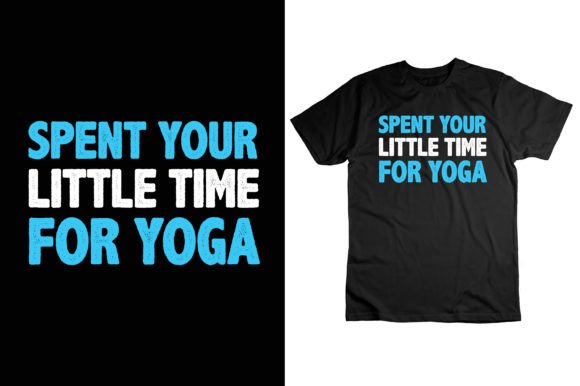
Yoga T-Shirt Design: A Pro's Take on Real Embroidery Use
When I first opened the files for the Yoga T-Shirt Design, my immediate reaction wasn't just about the aesthetic; it was about potential. As someone who spends hours digitizing and stitching, I look past the pretty preview images to see how a graphic will actually behave under the needle. This specific set of T-Shirt Designs arrives as a collection of vector assets—AI, EPS, PNG, and SVG formats—which is a great starting point, but it requires a specific workflow if you intend to use them for physical embroidery projects.
The visual personality of this design is calm and centered, perfectly capturing the essence of mindfulness. The lines are clean, and the composition feels balanced, making it an ideal candidate for boutique apparel or personalized gifts. However, because these are provided as vector Graphics rather than pre-digitized embroidery files, the responsibility falls on us, the makers, to translate that digital clarity into thread. Let's break down how this design performs in the real world, from the hoop to the final sale.
From Vector to Thread: Assessing the Workflow
The product description highlights that you receive 100 editable AI, EPS, and SVG files with resizable vector shapes. This is excellent news for customization. If you are running a craft business or selling on Etsy, the ability to easily change colors and resize elements without losing quality is a massive time-saver. You can adapt the Yoga T-Shirt Design for a baby onesie or a large tote bag simply by scaling the vectors in your preferred software.
However, a crucial distinction must be made here: these are print-ready vectors, not native machine embroidery design files like PES or DST. To get this onto fabric, you will need to digitize it yourself or send it to a digitizer. The good news is that the "100 vector shapes" mentioned suggests the artwork is well-layered and separated. This makes the digitizing process much smoother. You can assign specific stitch types—like satin stitch for outlines and fill stitch for larger areas—with confidence, knowing the underlying geometry is solid.
Real-World Application: The Boutique Sweatshirt Scenario
Let's imagine a realistic scenario where you are preparing a custom order for a local yoga studio. They want branded sweatshirt embroidery for their instructors. The Yoga T-Shirt Design fits this brief perfectly due to its serene mood. Because the shapes are resizable, you can scale the design to fit comfortably on the chest of a heavyweight cotton blend sweatshirt.
In this context, the design's simplicity works in your favor. Complex gradients often get lost in thread, but this graphic relies on strong silhouettes. When stitched with high-quality rayon or polyester threads, the result looks professional and crisp. For a handmade product intended for daily wear, this level of clarity ensures the brand remains recognizable even after multiple washes. It elevates the perceived value of the garment, turning a standard piece of clothing into a piece of custom apparel that customers are proud to wear.
Ideal Fabrics and Placement Considerations
While the design is versatile, not every fabric is created equal. For the best results, I recommend using medium-weight fabrics like cotton twill, denim, or stable fleece. These materials provide enough structure to support the stitching without puckering. If you are attempting this on a tote bag design project, canvas is an excellent choice because it holds the stitch density well.
Caution is advised when working with stretchy knits or very thin fabrics. Since you will be creating the embroidery file from these vectors, you must manually adjust the pull compensation and underlay settings. Without proper stabilization, the tension of the thread could distort the fabric, ruining the clean lines of the yoga motif. Always use a high-quality stabilizer appropriate for the fabric texture. For stretchy items like leggings or performance tees, a cut-away stabilizer is non-negotiable to maintain the integrity of the finished product.
Navigating Challenges: Small Details and Dark Fabrics
One area where designers often stumble with vector-to-embroidery conversions is tiny detailing. The Yoga T-Shirt Design features some delicate curves. If you scale the design down too small—for instance, for a pocket logo on a cap or a small embroidered patch—those fine lines might become indistinguishable blobs of thread. My advice is to test the design on scrap fabric first. Stitch a sample at your intended size to ensure the running stitch or satin columns remain distinct.
Color contrast is another vital factor. The files allow for easy color changes, which is perfect for adapting to dark fabrics. A light-colored thread on a navy or black background creates a striking pop, but you must ensure your digitizing includes a sufficient underlay to prevent the dark fabric from showing through the stitches. Conversely, on light fabrics, ensure your thread colors have enough saturation to stand out. Testing your design in black and white mockups before stitching can help you judge the contrast and readability effectively.
Commercial Viability and Brand Consistency
For Etsy sellers and creative entrepreneurs, consistency is key to building trust. The Yoga T-Shirt Design offers a cohesive look that can be applied across various products, from pillow covers and kitchen towels to holiday gifts and wedding gifts. Because the source files are vector-based, you can create matching sets—for example, a large version for a wall hanging and a smaller version for a coordinating tea towel. This versatility allows you to maximize your inventory without needing entirely new designs.
Furthermore, the professional finish of this design enhances buyer engagement. Customers are increasingly discerning; they can tell the difference between a cheap, pixelated print and a well-executed embroidery job. By taking the time to properly digitize these vectors and select premium threads, you signal quality. This attention to detail fosters customer loyalty and justifies a higher price point for your small shop product listings.
Final Verdict and Designer Notes
The Yoga T-Shirt Design is a robust asset for anyone willing to put in the digitizing work. It is not a "plug-and-play" embroidery file, but rather a high-quality foundation for creating one. Its strength lies in its editability and clean aesthetic, which translates beautifully into thread when handled correctly.
Before committing to a large production run or listing these as digital embroidery file derivatives, keep these practical notes in mind:
- Check Licensing: Confirm the license terms regarding commercial use. While the files are editable, ensure you are permitted to sell the physical embroidered items or derivative digital patterns.
- Test Stitch Density: When digitizing, avoid overly dense fill stitches which can make the fabric stiff. Aim for a balance that keeps the garment soft and wearable.
- Hoop Size Verification: Ensure your scaled design fits within your available hoop sizes, especially if working with curved surfaces like caps.
- Thread Selection: Choose thread colors that match the calming vibe of the design. Matte threads often work better for yoga-themed items than high-sheen varieties.
- Mockup Testing: Create printable mockups on both light and dark backgrounds to visualize the final look before spending money on materials.
In conclusion, if you are looking to expand your catalog with meaningful, wellness-oriented apparel decorators items, this design package is a worthy investment. It empowers you to create unique, high-value pieces that resonate with the current market demand for mindful living. With careful digitizing and thoughtful material selection, the Yoga T-Shirt Design can become a staple in your portfolio of commercial embroidery successes.